


Nebraska’s Native Peoples
The state of Nebraska occupies the past, present, and future homelands of the Pawnee, Ponca, Otoe-Missouria, Omaha, Dakota, Lakota, Arapaho, Cheyenne, and Kaw Peoples, as well as the relocated Ho-Chunk (Winnebago), Iowa, and Sac and Fox Peoples. The stories of Nebraska’s Native peoples, tribes, and nations form a vital part of the state’s history. These are a some of those stories:
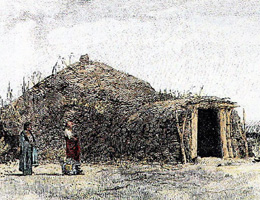
Emergence of Historic Tribes
Following changes to the climate in the 1600s, peoples who once lived in the land that is now Nebraska migrated back seeking game and farmable land. They established communities that would form the historical foundations for the Native tribes and Nations that still call Nebraska home today.
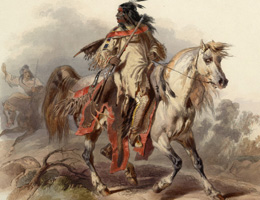
First Contact & Expanding Trade
Beginning in the 1500s, indigenous peoples in what is now Nebraska came into increasing contact with explorers and colonists from Europe. This contact led to a wide range of consequences including trade and conflict, as well as the introduction of new animals, technology and diseases to Native lives.
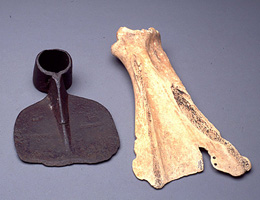
First Farmers
More than 1,000 years ago, peoples on the Central Plains began to reduce their reliance on hunting and gathering in favor of intensive farming practices. Because agriculture could support larger, more complex communities, it transformed their lives.
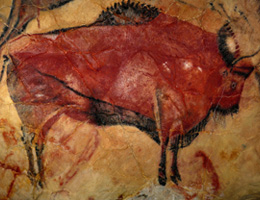
First Human Residents
The first people to occupy the Central Plains arrived around 12,000 years ago. There is still much to learn about these early hunters and gatherers.
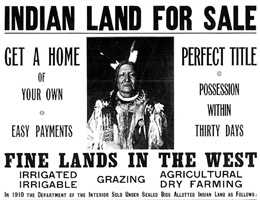
Native American Citizenship
The history of American citizenship is long and complex, especially in the case of Native peoples. U.S. law acknowledged Native Americans as citizens in 1924, after more than a century of broken treaties, dispossession and forced relocation.
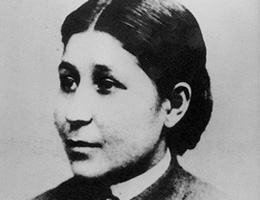
Susan La Flesche Picotte
Susan La Flesche Picotte, born in Nebraska in 1865, was the first Native American to earn a medical degree. She worked as a doctor on the Omaha reservation and established the first reservation hospital not funded by the federal government.

The Trial of Standing Bear
In the second half of the 1870s, Nebraska’s Ponca people were forced from their homeland. In defiance of the law, Chief Standing Bear returned to Nebraska to bury his deceased son and was arrested. He sued in court, demonstrating for the first time the right of all Native Americans to be treated as persons under the laws of the United States.